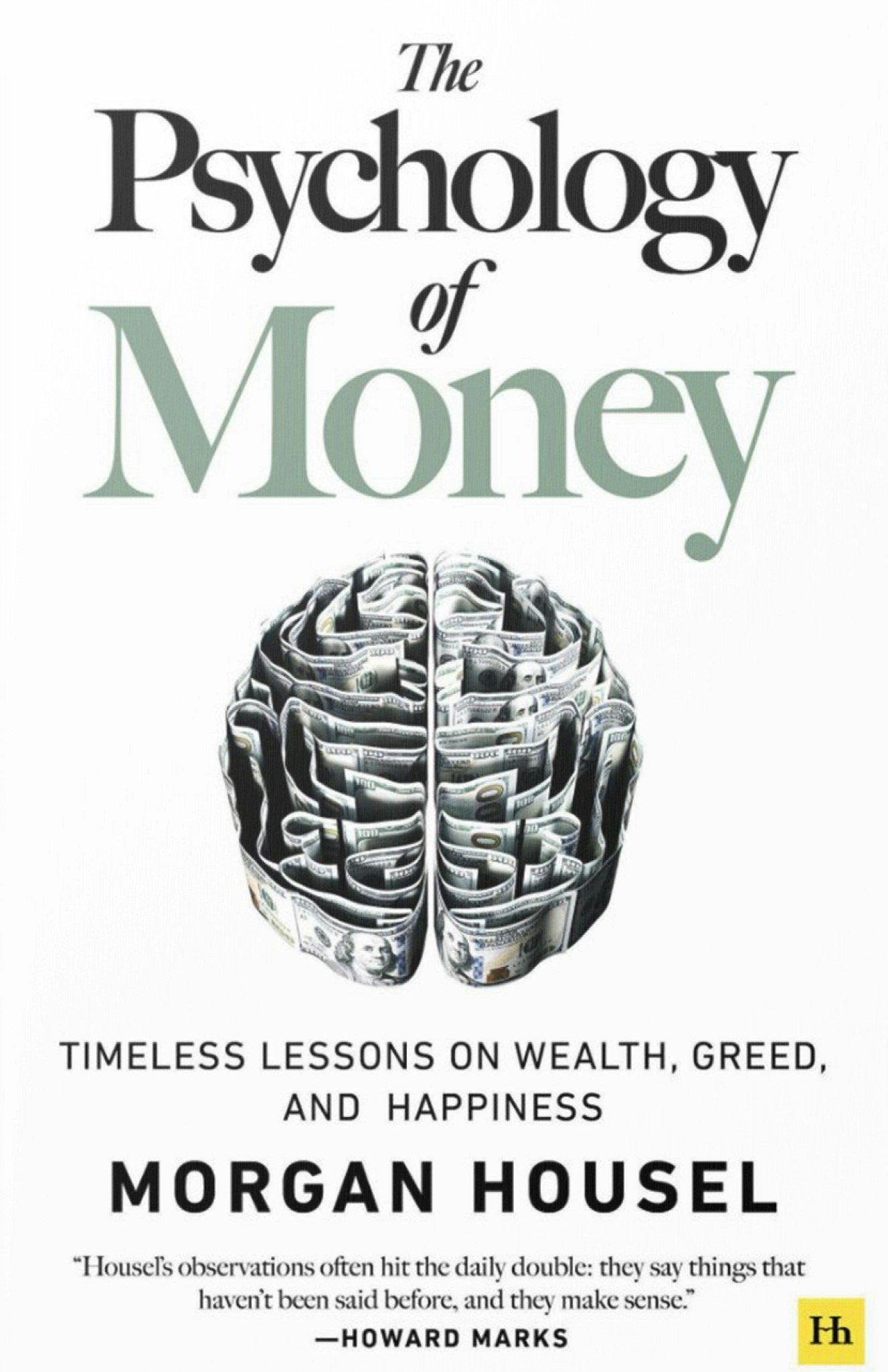
Description
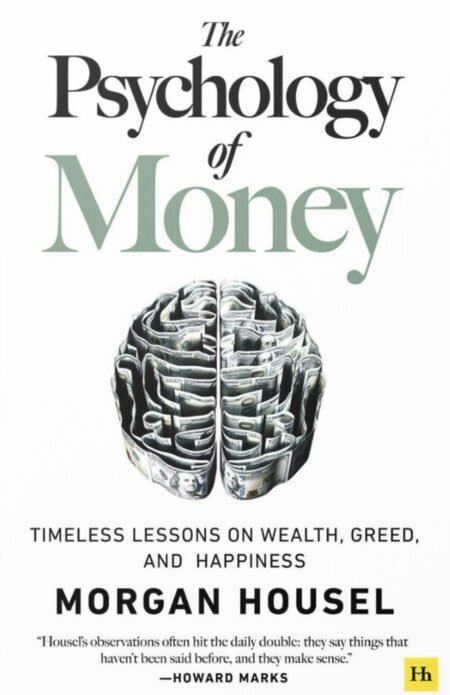
The Psychology of Money challenges traditional financial wisdom by focusing on the irrational and emotional ways people interact with wealth. Key themes include:
- The Power of Compounding: Housel uses Warren Buffett’s success to show that the greatest investment secret is simply time and consistency, rather than high-risk returns.
- Wealth vs. Being Rich: He defines being “rich” as having a high current income you spend, whereas wealth is the money you don’t see—the unspent assets that provide flexibility and freedom.
- Luck and Risk: The book highlights that every outcome is influenced by forces beyond individual effort, teaching readers to be humble in success and compassionate in failure.
- The Concept of “Enough”: One of the hardest financial skills is stopping the “moving goalposts” and knowing when you have enough to avoid risking what you need for what you don’t.
- Control Over Time: Ultimately, the author argues that the highest form of wealth is the ability to wake up every morning and say, “I can do whatever I want today”.







Reviews
There are no reviews yet.